Work from our workshop
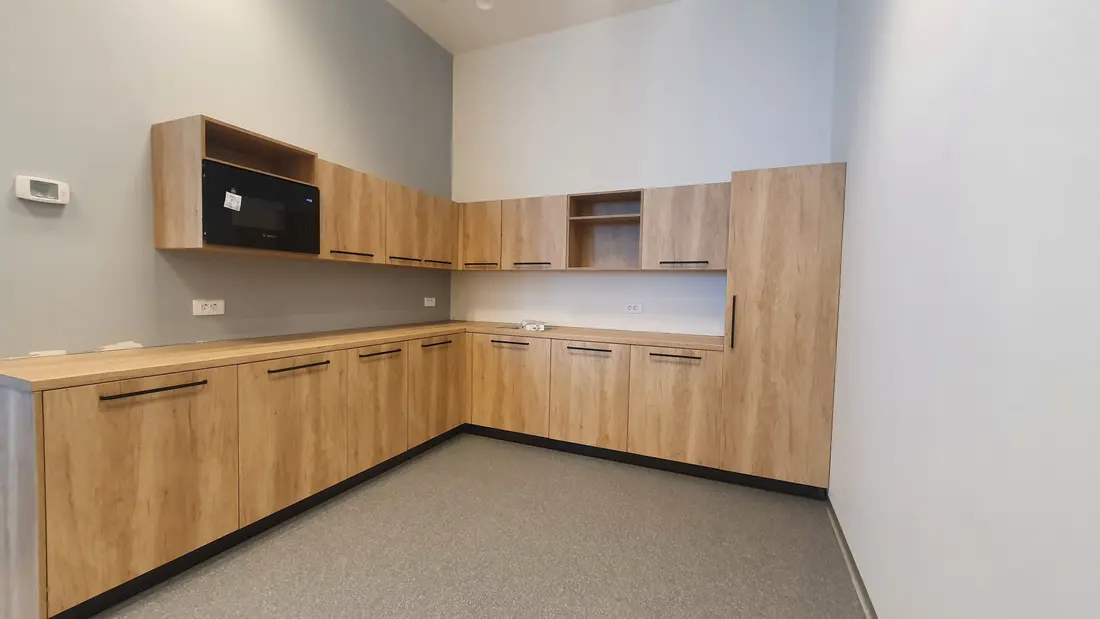
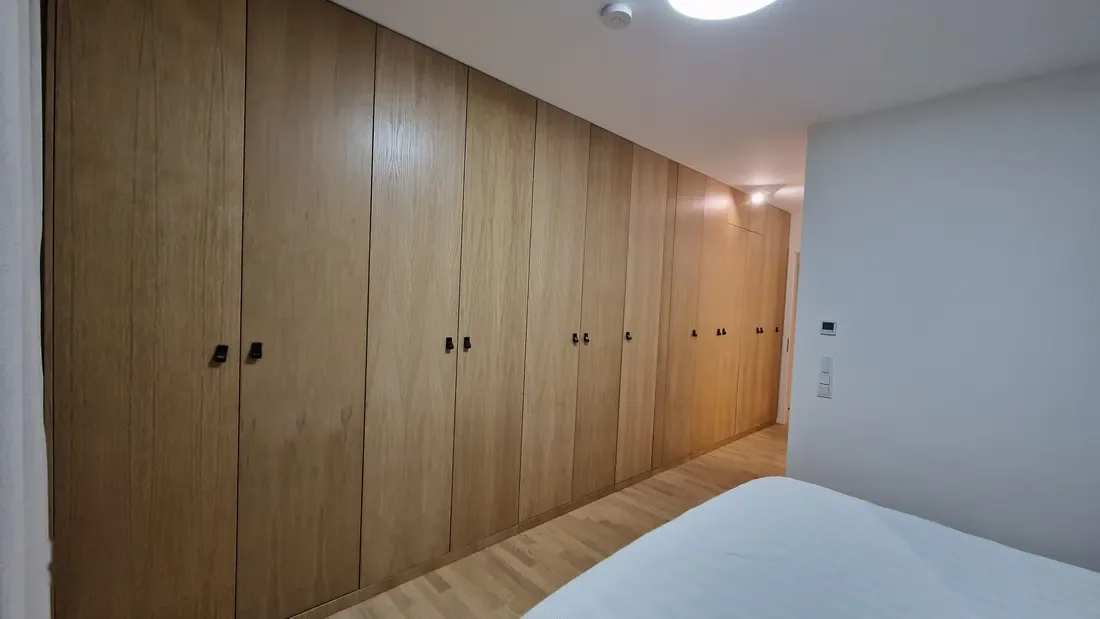
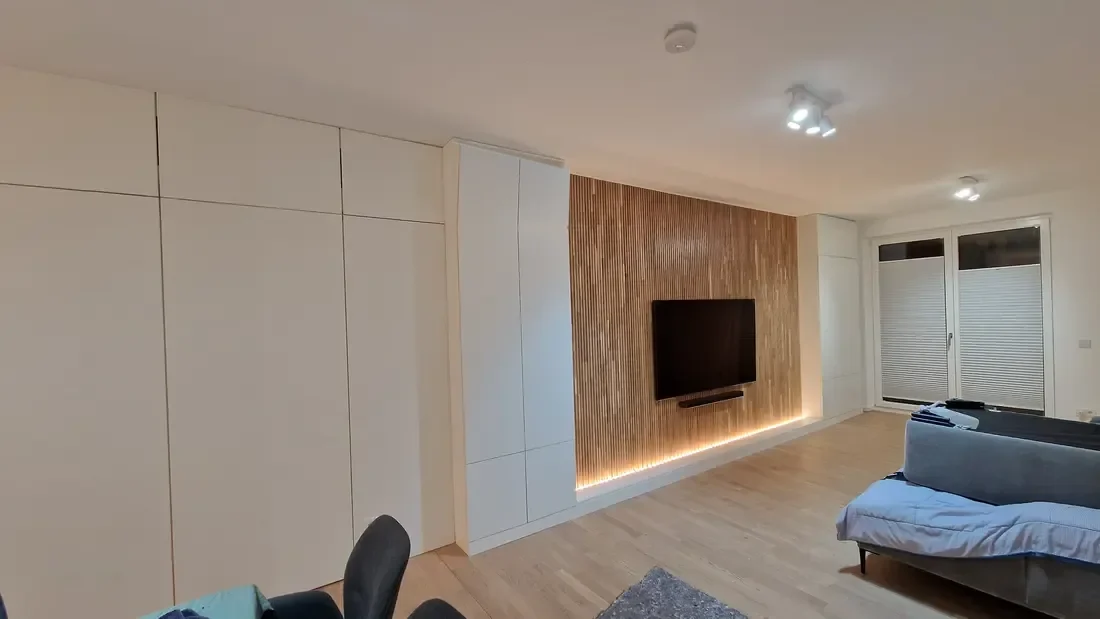
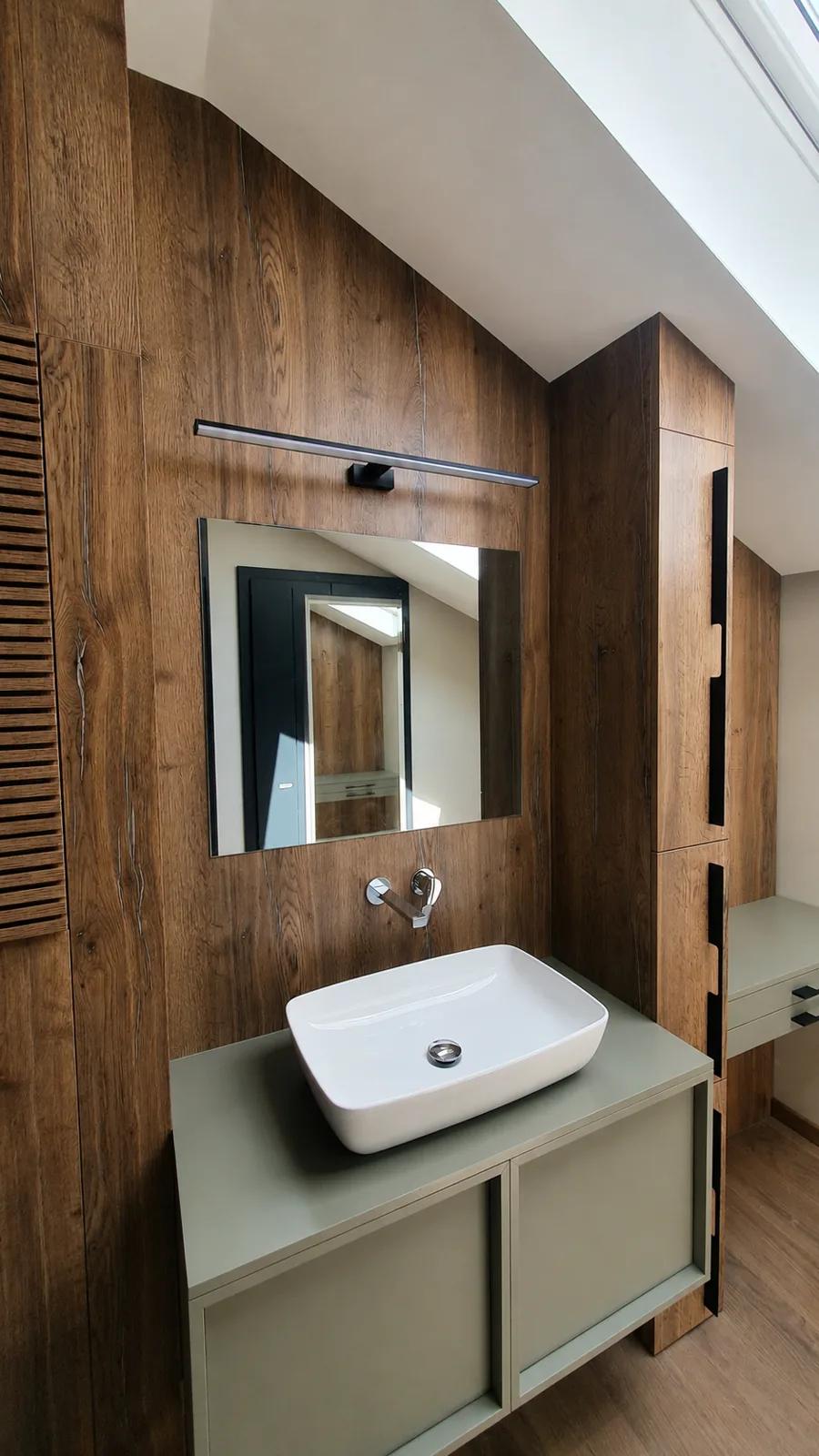
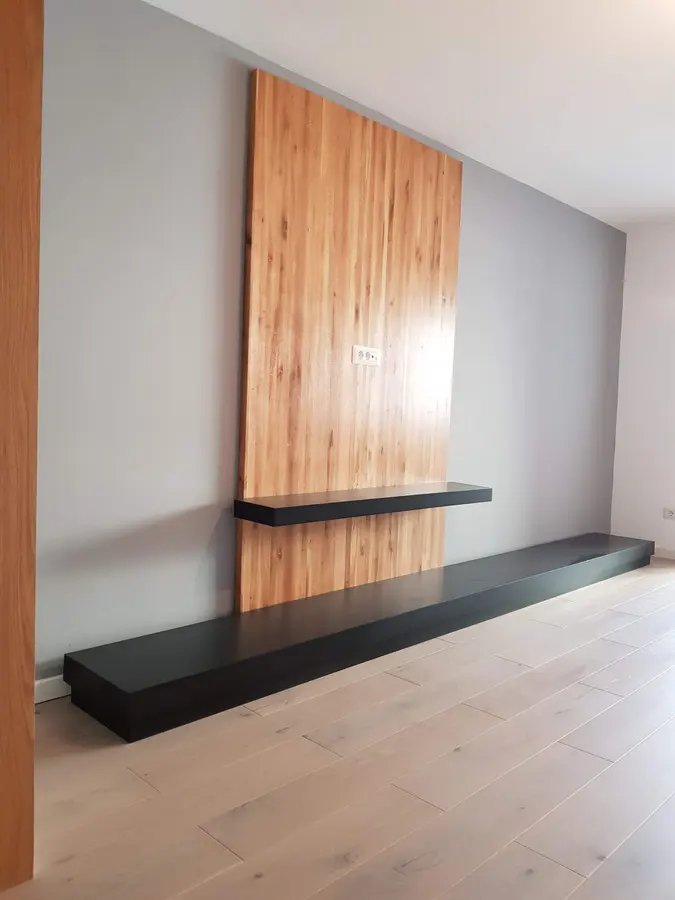
You want a European workshop that can hold a specification, keep a deadline and be straight about the border. Here is how we work, what we have built abroad, and where Norway differs from Sweden, Denmark and Finland on customs and VAT.
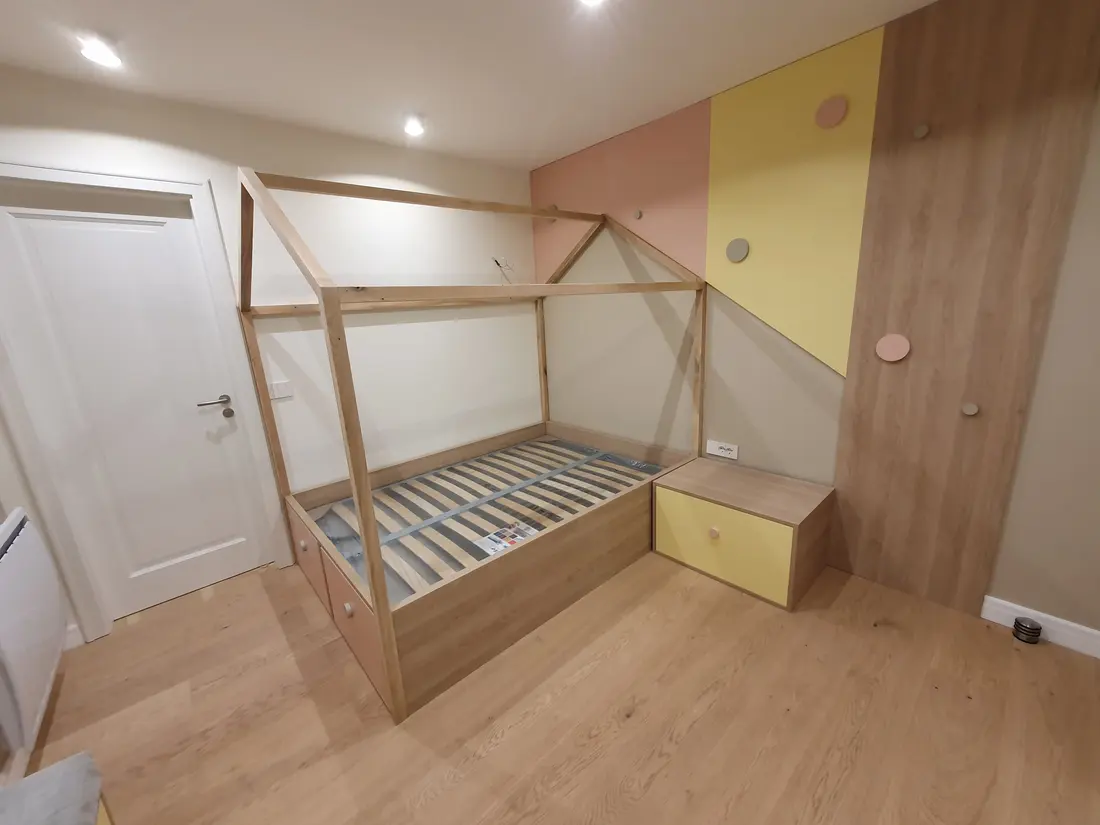
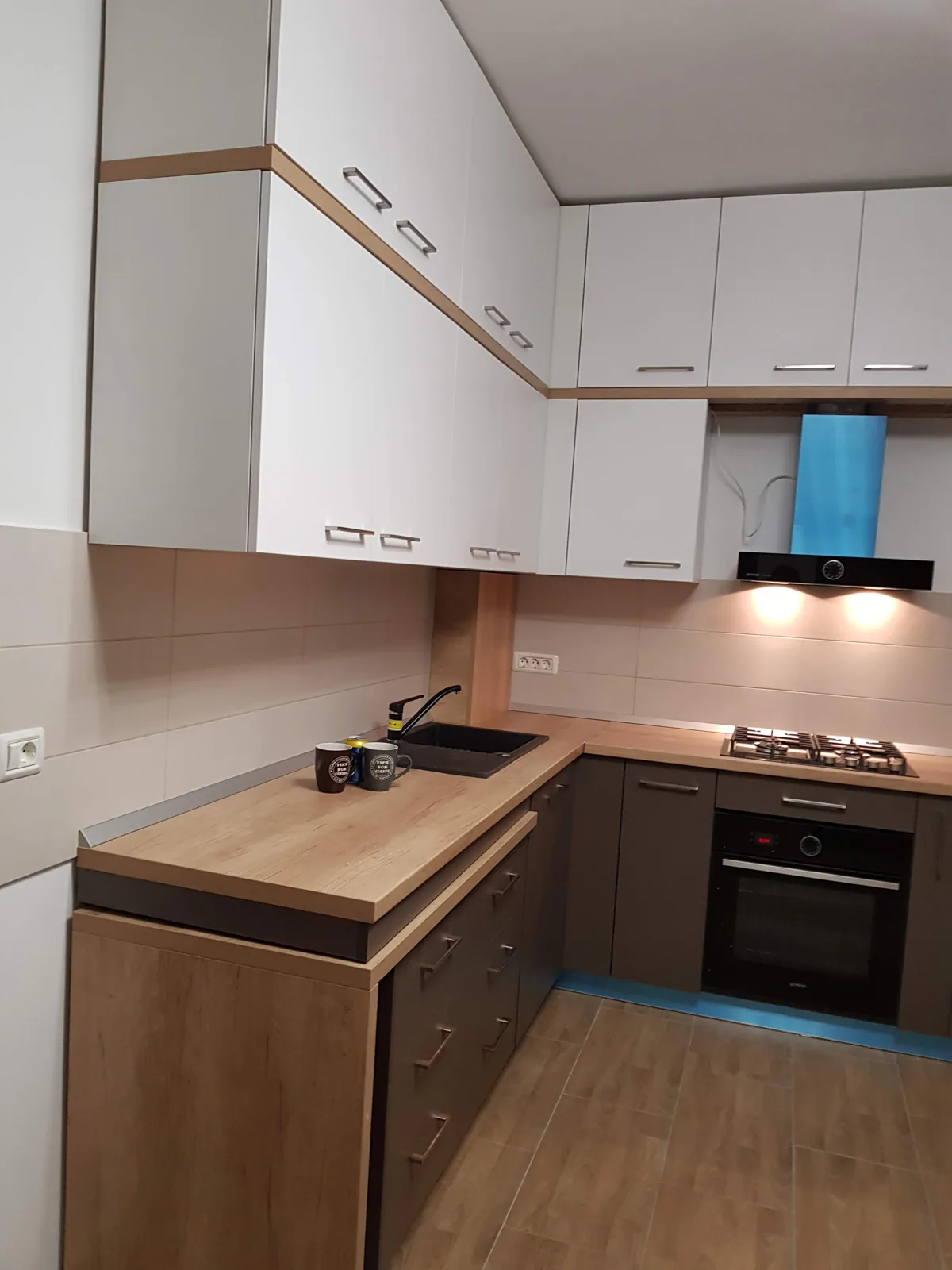
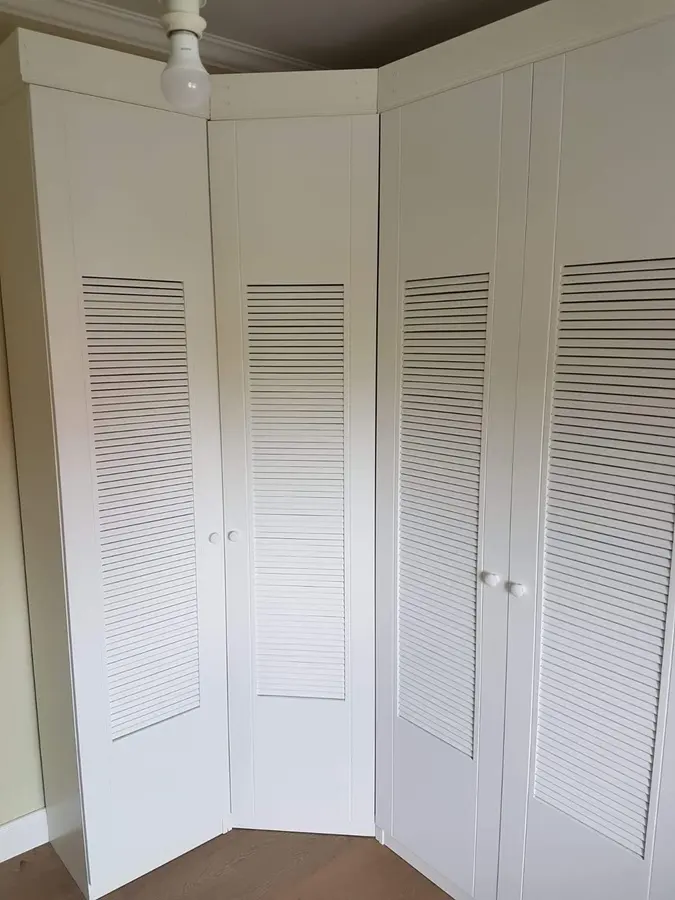
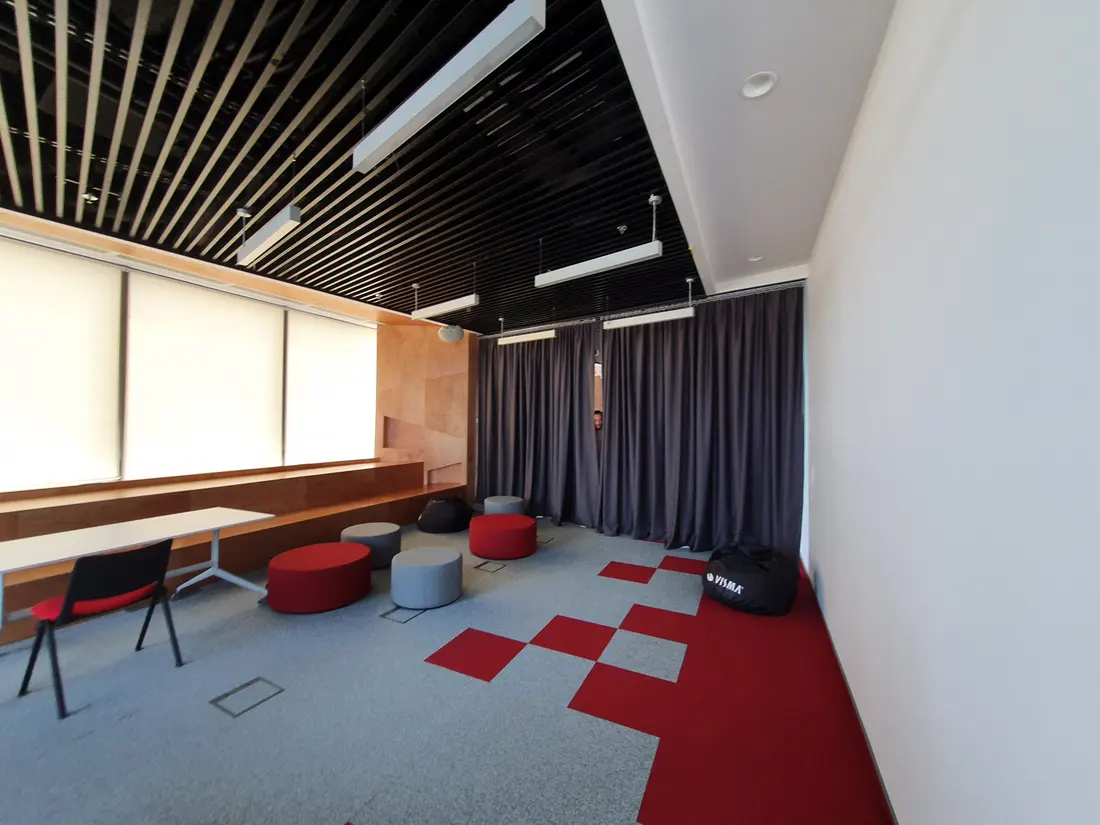
Fine Cut Furniture is a small workshop in Giarmata, about ten minutes from Timisoara in western Romania. We have been operating since 2016, we are a team of between two and ten people, and everything happens under one roof: design, production drawings, CNC cutting, ABS edge banding, pre-assembly and installation.
For a Nordic practice the consequence is that there is one team to talk to. The person who reads your drawing works in the same building as the machine that cuts the panel and the crew that fixes it to the wall.
We accept DXF, DWG, SKP, STL and dimensioned PDF from architects. Boards are Egger, hardware is Blum. Since 6 August 2026, Regulation (EU) 2023/1464 has capped formaldehyde emissions from furniture and wood-based articles at 0.062 mg per cubic metre, half the earlier E1 figure of 0.124 and what the trade calls E05. That is the European baseline for panels, not a Nordic extra; we can forward the board manufacturer declarations for your project.
Sweden, Denmark and Finland are EU member states, so a delivery from our workshop to Malmo, Aarhus or Espoo does not cross a customs border. There is no import declaration, no clearance agent to appoint and no duty. The load leaves Giarmata and reaches your site as an internal movement inside the single market.
VAT works as it does between any two EU businesses. On a business-to-business sale of goods dispatched to another member state we do not charge Romanian VAT, provided your VAT number validates in VIES. You account for the VAT in your own country under the reverse charge and normally recover it in the same return. We hold the transport evidence and file the recapitulative statement.
One qualification. Where we also install, the transaction can be a supply of goods with installation, and the place of supply becomes the country where the furniture is fitted. Member states treat that differently: some expect a local registration, others let the local reverse charge cover it. Tell us at quotation stage whether installation is in scope, and confirm the treatment with your tax advisor.
Norway is in the European Economic Area, which is why buyers often assume goods move as freely as they do to Sweden. They do not. The European Commission states it plainly: the EU customs union does not extend to Norway, and customs borders and procedures remain in place. EEA membership aligns much of the single market rulebook, but it does not remove the border.
That means an export declaration in Romania and an import declaration in Norway, with a commercial invoice, packing list, weights and a tariff classification per item. Under the EEA Agreement, goods meeting the rules of origin can qualify for preferential duty, claimed through an origin statement on the invoice. Whether a consignment lands at zero depends on classification and origin evidence, so your customs agent confirms the figure against the shipment.
VAT is separate from duty. Norwegian import VAT applies at the 25 per cent standard rate, and a VAT-registered business does not settle it at the border: the Tax Administration has registered importers calculate import VAT themselves and enter it in their VAT return, deductible like a domestic purchase.
A kitchen runs roughly five to eight weeks from site measurement to installation. Production is about three to four weeks of that, and it starts only once you have approved the 3D design. Distance to the Nordics adds days to the schedule, not weeks. The constraint is the workshop queue and how quickly the design is signed off, so book the slot early.
There are two delivery routes and they carry different responsibilities. For supply-only, where your own fitters or a main contractor handle installation, we book the load through a freight exchange and it travels as ordinary road freight. Where installation is in the contract, our own vans and our own workshop team drive up and fit it. Installation is never subcontracted, in any country.
Our completed projects outside Romania so far are in Germany, France and Austria. The process is identical for a Nordic address: site measurement, a 3D design approved before anything is cut, a quotation itemised per cabinet and per material, and a deadline in the contract. Customs and VAT in Sweden, Denmark and Finland work as they do for Germany; Norway adds the declarations above.
No. All three are EU member states, so the delivery stays inside the EU customs union and the single market. There is no import declaration, no clearance agent and no duty. For a business buyer with a VAT number that validates in VIES, we invoice without Romanian VAT and you account for the VAT in your own country under the reverse charge.
No. The EEA Agreement covers much of the single market, but the European Commission is explicit that the EU customs union does not extend to Norway and that customs borders and procedures remain in place. A delivery to Oslo needs an export declaration in Romania and an import declaration in Norway, and preferential duty under the EEA Agreement depends on rules of origin and classification.
The importer does, not us. Norwegian import VAT applies at the 25 per cent standard rate. If you are VAT-registered in Norway, the Tax Administration has you calculate import VAT yourself and enter it in your VAT return instead of paying at the border, deductible on the same terms as a domestic purchase. Your customs agent files the declaration.
Plan on roughly five to eight weeks from measurement to installation for a kitchen, with production taking about three to four weeks once the 3D design is approved. The drive from Timisoara adds days, not weeks. What actually moves the date is the workshop queue and how fast the design is signed off, so reserve a production slot early.
Either works. On supply-only we build, edge and pre-assemble, then send the load through a freight exchange as ordinary road freight and your fitters take it from there. Where installation is in our scope, it is carried out by our own workshop team travelling in our own vans. We do not hand installation to a subcontracted local crew.
Send a DXF, DWG, SKP, STL or dimensioned PDF to info@finecutfurniture.ro, or call +40 799 689 358, Monday to Friday, 10:00 to 15:00 Romanian time. Tell us the destination country and whether installation is in scope, and we will return an itemised quotation.