Work from our workshop
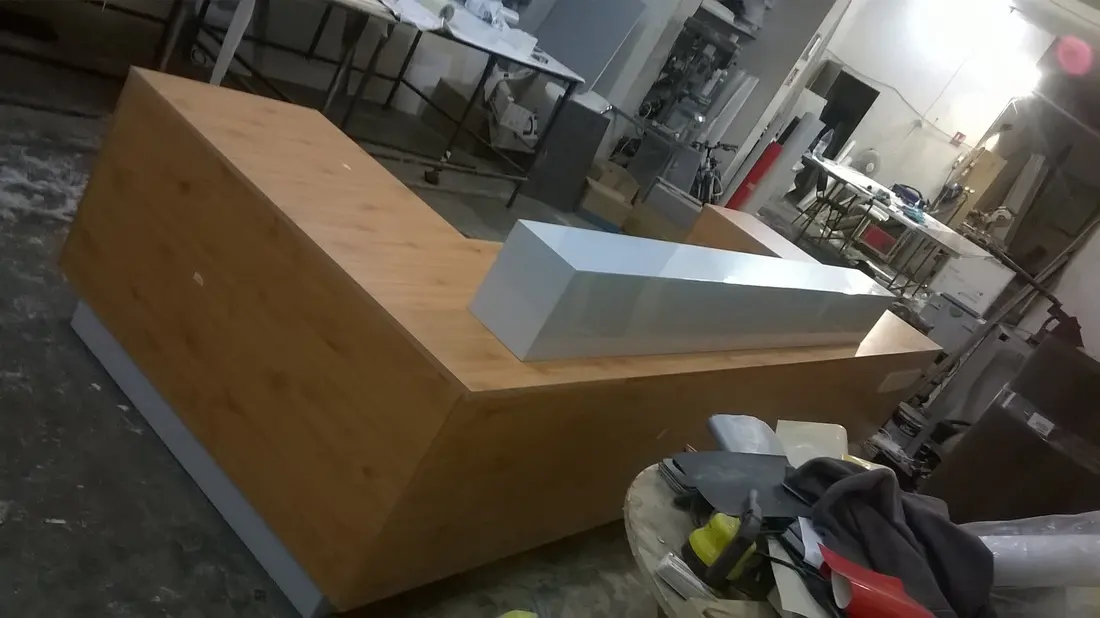
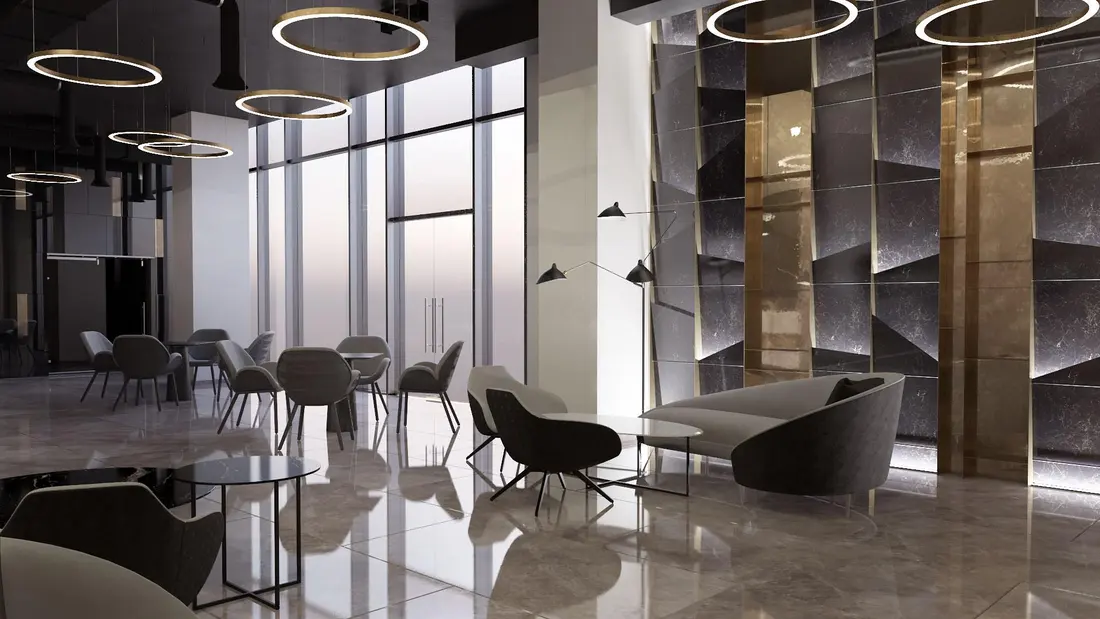
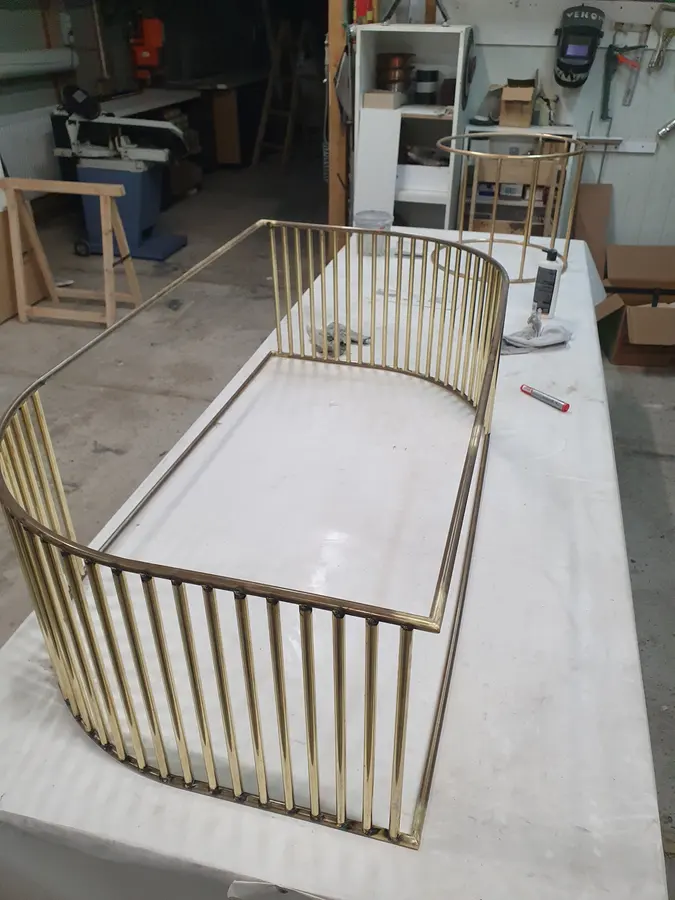
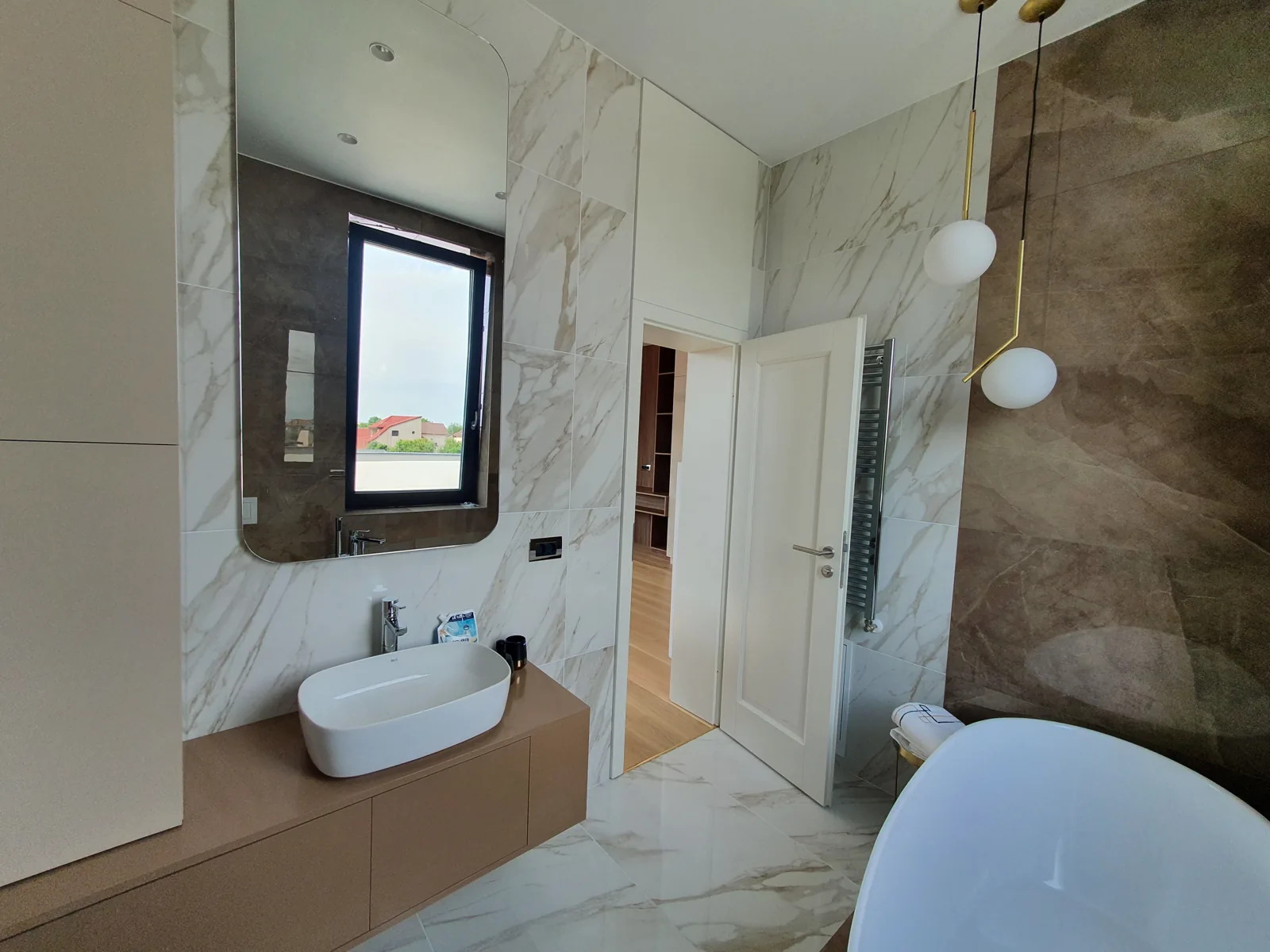
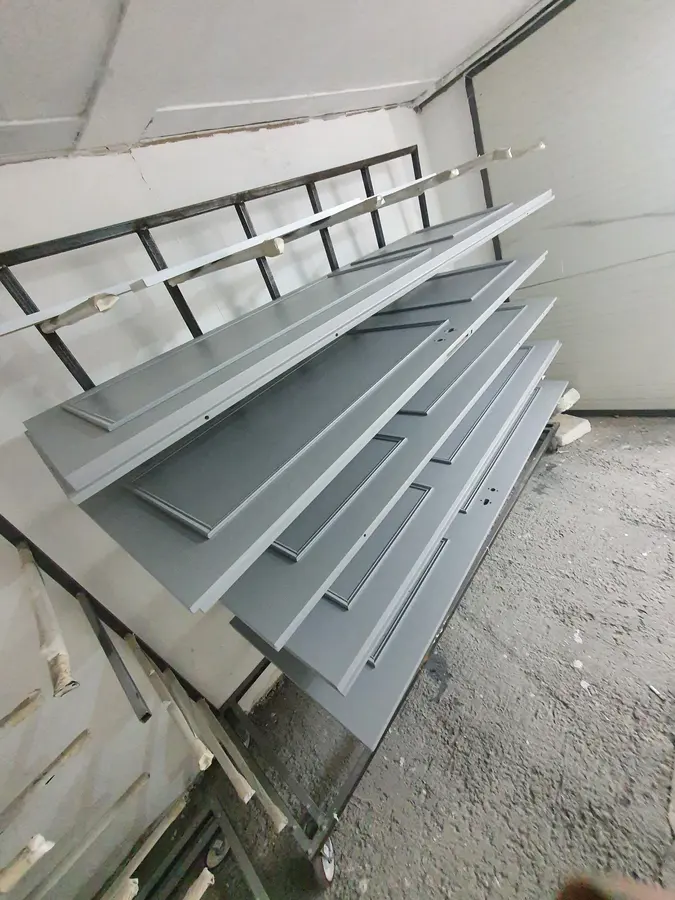
This page is for architects, designers and contract buyers assessing a furniture production partner in the EU before they open the conversation. File formats, what actually happens in the workshop, how the work reaches you and who installs it. No marketing, only the facts that count when you choose a supplier.
For plans and elevations we work with DWG and DXF. These are the formats we can take dimensions and geometry straight from, without redrawing and without the risk of reading a dimension wrongly. If you have no native files, a dimensioned PDF is enough for us to start, but the checking takes longer and any missing dimension has to be confirmed in writing before production.
For volumes and collision checking we accept 3D models in SKP or STL. SKP suits an interior design workflow, STL suits a piece with complex geometry or an element that will be machined. We use them as a reference for form and for control, not as a source of dimensions: the dimensions in the drawings always prevail, and wherever the model and the drawing disagree we flag the difference before we cut.
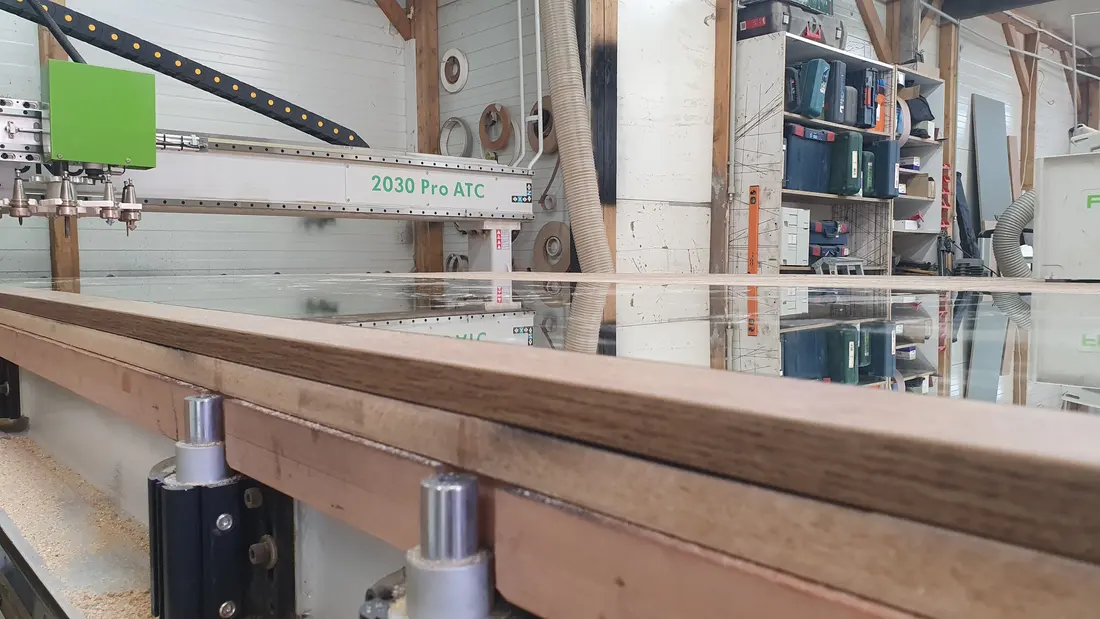
Cutting is done on our own CNC. Edgebanding follows, then assembly, all in the same workshop. Having all three stages under one roof changes two concrete things: the date does not depend on somebody else's schedule, and if a discrepancy shows up at installation it is sorted quickly, because the part is remade in our own workshop rather than at another supplier.
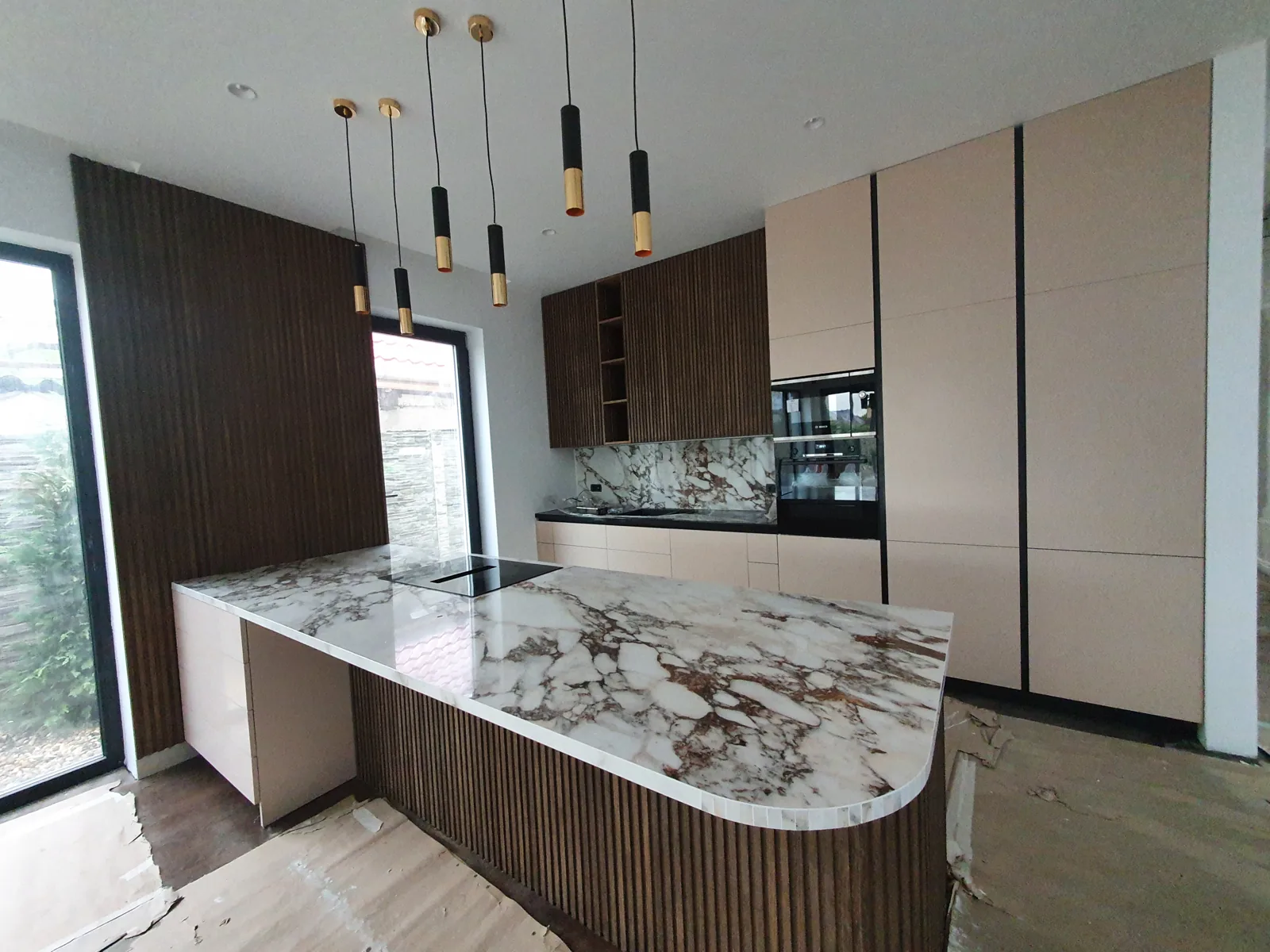
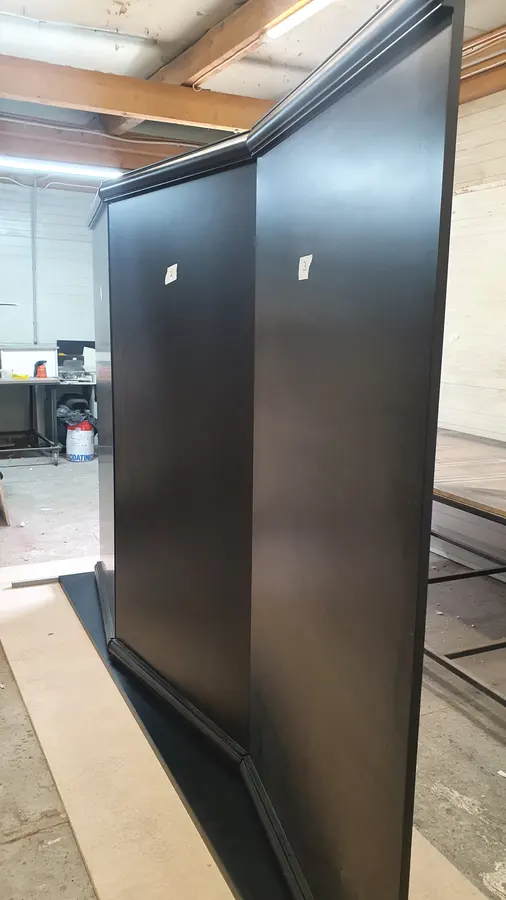
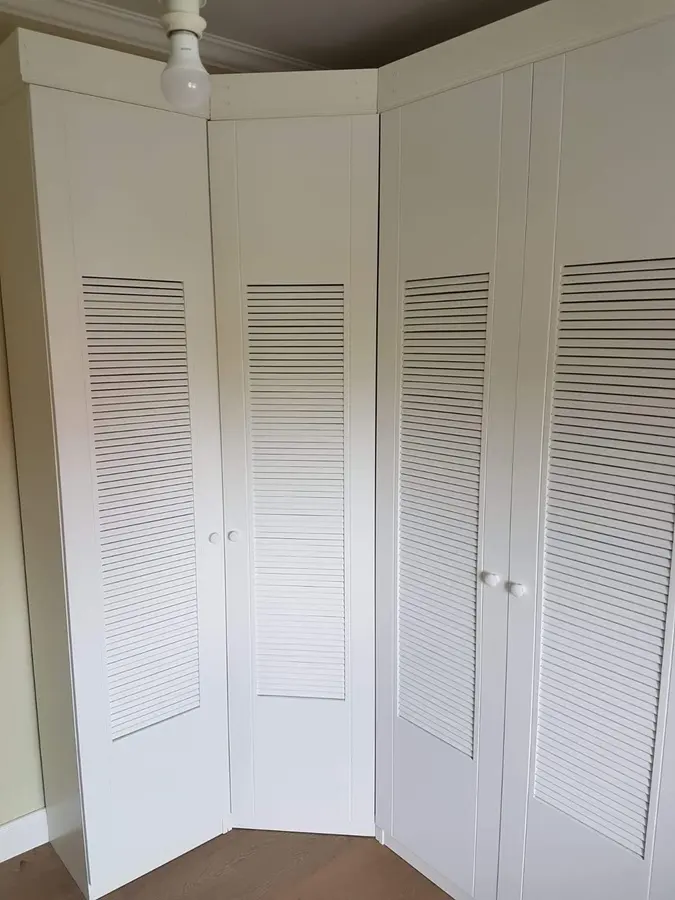
The materials we run are EGGER melamine-faced board, lacquered MDF in matt or gloss, wood veneer and solid wood, and for worktops quartz, granite, Corian, ceramic, HPL and solid wood. For hardware we work with Blum, including corner systems, pull-out larder units, lift systems and electric opening for handleless fronts. If the end client has imposed a specification, we follow it and quote on it.
There are two scenarios, and it is worth deciding early which one you are on, because it changes both the price and the planning. If the work ships flat-pack, without installation, we place the transport on a freight exchange and contract a truck suited to the volume. That is the efficient route when you already have a fitting team on site, or when the furniture goes into a site coordinated by someone else.
If we install, we come with our own vehicles and the workshop team. They are the same people who assembled the units, so they know where each piece adjusts. Installation is never subcontracted. We deliver and install across the entire European Union, from Giarmata, near Timișoara, in western Romania, and we fix the installation window with you so it fits around the other trades on site.
We receive the files and go through them before we give any figure. If something cannot be built exactly as drawn, we say so then, not at installation. Next comes the detailed quote, line by line, so you can see what the price is made of and where you can adjust if the budget asks for it. After acceptance we survey on site with our own people, and the setting-out dimensions taken there prevail over those on the drawing.
The production lead time is stated in the quote and starts running from order confirmation and the sign-off of every technical detail, not from the first conversation. The reason is simple: a single finish left open holds up the material order. As the job runs you know what stage it is at, so you can coordinate your other teams, and at the end, if something still needs adjusting, we come back to it.
Dimensioned plans and elevations in DWG or DXF, and a 3D model in SKP or STL. A dimensioned PDF is accepted and is enough for us to start, but the checking takes longer and missing dimensions have to be confirmed in writing before production.
The dimensions in the drawings prevail. We use the 3D model for volumes and for catching collisions, not as a source of sizes. Wherever the model and the drawing differ, we flag the difference before cutting and ask you to confirm which one is right.
We do. We place the work on a freight exchange and contract a truck suited to the volume. You receive the goods at the agreed address, packed for the journey; installation stays with your team. This works anywhere in the European Union.
With our own people and our own vehicles. They are the same people who assembled the units in the workshop, so they know the job. Installation is never subcontracted, anywhere in the EU, because it is the only way we can answer for the final result.
Yes. We can take on only the kitchen in an apartment, only the reception furniture in a commercial space, or only a run of repeating pieces. We do not make our quote conditional on being given the whole project.
DWG, DXF, SKP, STL or a dimensioned PDF, to info@finecutfurniture.ro, or call +40 799 689 358. We will look at the project and tell you honestly what we can make, on what date and on what transport terms.